
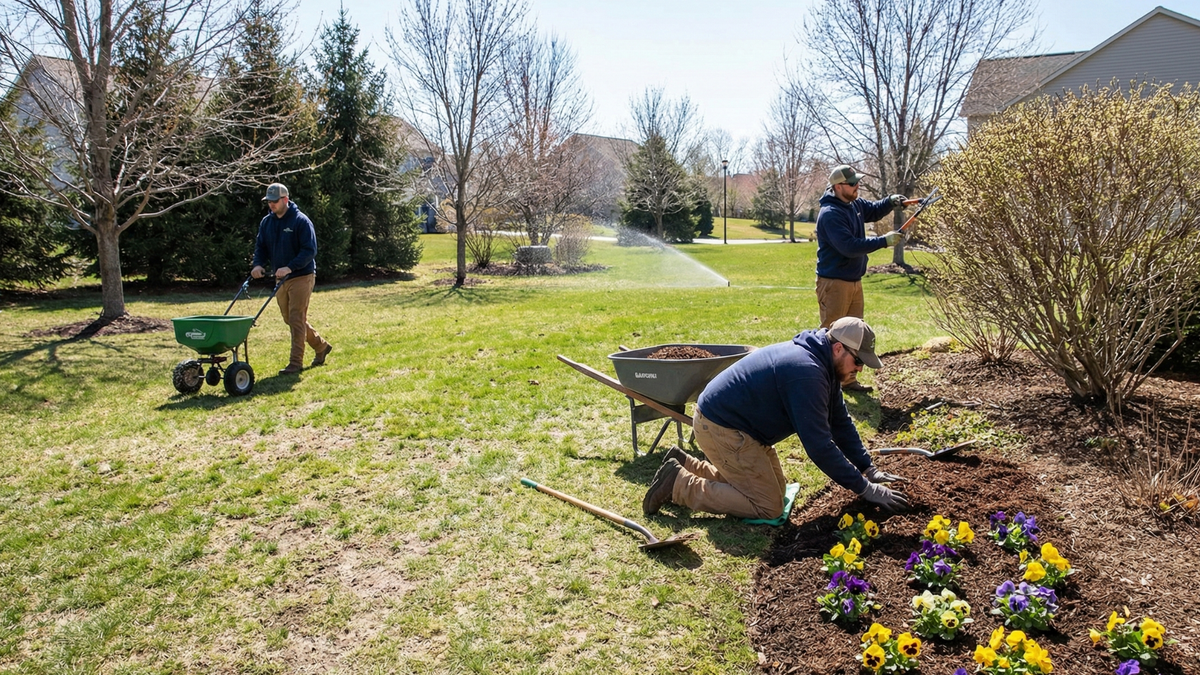
Spring is finally here, and homeowners are eager to transform their winter-weary yards into thriving outdoor spaces. This Spring Landscaping Prep Checklist is designed for busy homeowners who want professional results without the guesswork, along with Bergen County NJ Landscaping Contractors looking to streamline their seasonal services.
Getting your landscape ready for spring means more than just raking leaves and turning on sprinklers. You'll need to assess what winter left behind, prepare your soil for new growth, and revive your lawn using strategies that work specifically in our local climate. We'll walk you through the essential steps to evaluate winter damage, get your soil in peak condition, and bring your lawn back to life with techniques proven effective in Bergen County's unique weather patterns.
Assess Your Winter Damage and Current Landscape Condition
Inspect Trees and Shrubs for Storm Damage and Disease
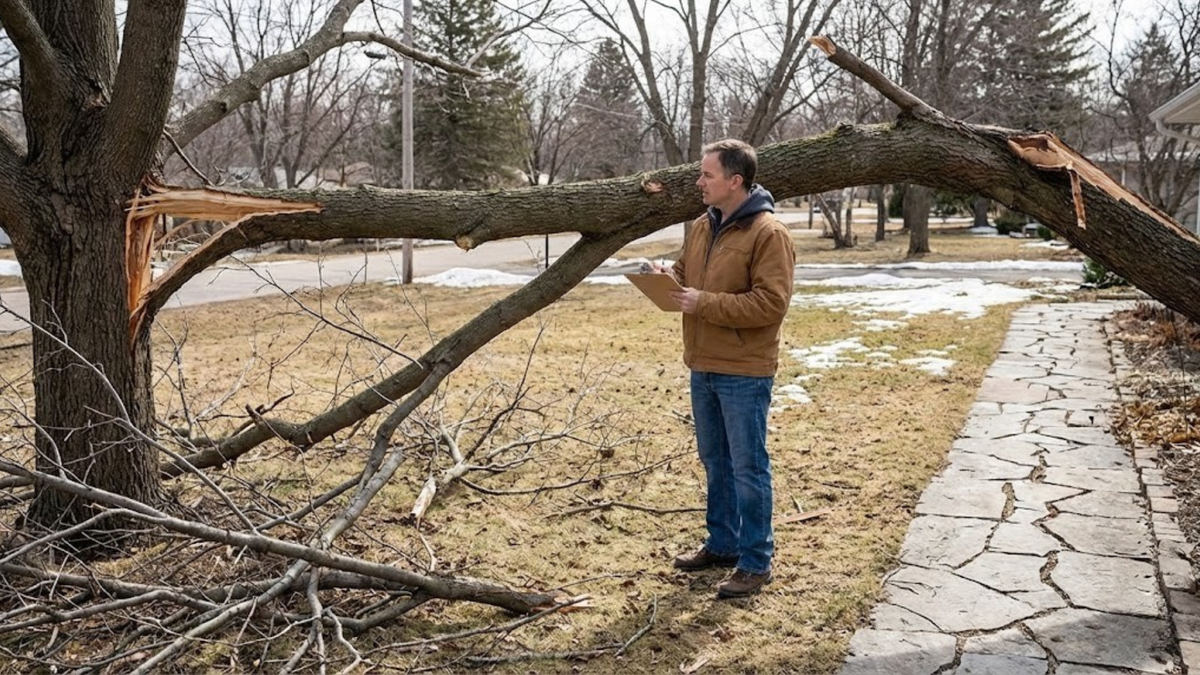
Walk through your property and carefully examine each tree and shrub for signs of winter damage. Look for broken branches, split bark, or limbs hanging at odd angles that could pose safety risks. Ice storms and heavy snow can cause significant structural damage that isn't always immediately obvious.
Check for signs of disease or pest damage that may have developed during the dormant season. Cankers, unusual growths, or areas of discolored bark often indicate problems that need immediate attention. Pay special attention to evergreens, which can suffer from winter burn - brown or yellow foliage that results from cold, dry winds.
Evaluate Lawn Health and Identify Bare or Dead Spots
Your lawn tells the story of winter's impact through brown patches, thin areas, and completely bare spots. These problem areas typically result from snow mold, salt damage from road treatments, or foot traffic on frozen grass.
Walk your entire lawn systematically, marking areas that need attention. Brown patches might recover naturally as temperatures warm, but dead spots will require reseeding or sodding. Salt damage often appears as brown strips along driveways and sidewalks where winter de-icing materials accumulated.
Test these areas by gently pulling on the grass - healthy roots will resist, while dead grass pulls up easily. Make note of drainage issues where water pools, as these areas often develop different problems and may need soil amendments or grading adjustments.
Check Hardscape Elements for Cracks and Shifting
Freeze-thaw cycles can wreak havoc on concrete, stone, and brick elements throughout your landscape. Inspect walkways, patios, retaining walls, and driveways for new cracks or areas where sections have shifted or settled unevenly.
Small cracks in concrete can quickly become major problems if water gets in and freezes again. Stone walls may have shifted or individual stones may have loosened. Check the mortar joints in brick or stone work for gaps or crumbling material.
Don't forget to examine steps, which can be particularly dangerous if they've developed uneven surfaces or loose stones. Document the condition of any outdoor lighting fixtures, as frost heaving can cause them to tilt or become unstable.
Document Problem Areas for Priority Repair Planning
Create a comprehensive record of all damage and issues you've identified. Take photos from multiple angles and make detailed notes about the severity and location of each problem. This documentation helps you prioritize repairs and provides valuable information when getting quotes from contractors.
Organize your findings by urgency - safety hazards like hanging branches or unstable walkways need immediate attention, while cosmetic issues like minor lawn patches can wait. Create a simple priority system: urgent (address immediately), high priority (address within 2-4 weeks), and routine maintenance(address throughout the season).
This systematic approach ensures nothing gets overlooked and helps you budget both time and money for the necessary repairs and improvements your landscape needs to thrive in the coming growing season.
Essential Soil Preparation for Optimal Spring Growth
Test Soil pH and Nutrient Levels
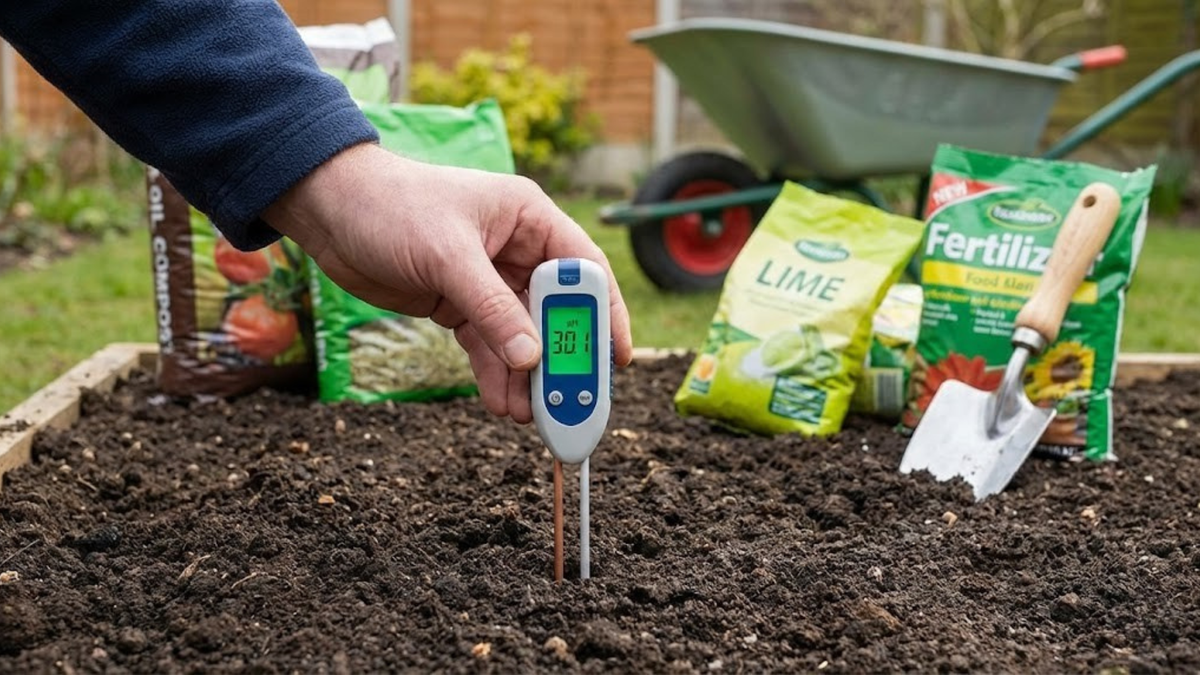
Spring soil testing sets the foundation for a thriving landscape throughout the growing season. Bergen County's clay-heavy soils often struggle with pH imbalances, typically running more alkaline than most plants prefer. Professional soil testing reveals critical information about pH levels, nitrogen, phosphorus, and potassium content, plus trace minerals that directly impact plant health.
Home test kits provide basic pH readings, but laboratory analysis delivers comprehensive nutrient profiles and specific amendment recommendations. Most Bergen County soils benefit from pH adjustments between 6.0-7.0 for optimal nutrient uptake. Testing should occur when soil temperatures reach 50°F consistently, typically mid-March in northern New Jersey.
Document test results and compare them annually to track soil improvement progress. This data guides fertilizer selection and prevents costly over-application that can harm both plants and local waterways.
Remove Debris and Fallen Leaves from Beds
Winter debris creates perfect breeding grounds for fungal diseases and pest infestations that can devastate spring plantings. Heavy leaf layers smother emerging perennials and create anaerobic conditions that kill beneficial soil microorganisms. Bergen County's wet springs make this cleanup even more critical as soggy debris accelerates rot and disease development.
Start cleanup during the first warm, dry days when soil isn't muddy. Remove all fallen branches, dead plant material, and excessive leaf buildup from garden beds. However, leave some natural mulch in wooded areas where native plants expect organic matter coverage.
Compost healthy organic debris separately from diseased material, which should go to municipal yard waste collection. This prevents reintroducing pathogens to your landscape through homemade compost.
Add Organic Compost and Soil Amendments
Bergen County's dense clay soils desperately need organic matter to improve drainage, aeration, and nutrient availability. Quality compost transforms problematic clay into fertile, workable soil that supports healthy root development and water infiltration.
Apply 2-3 inches of finished compost to all garden beds, working it into the top 6-8 inches of soil. Avoid fresh manure in spring as it can burn tender new growth and introduce harmful bacteria. Well-aged compost provides slow-release nutrients while improving soil structure.
Consider these targeted amendments based on your soil test results:
Sulfur for lowering pH in alkaline soils
Lime for raising pH in rare acidic conditions
Bone meal for phosphorus-deficient soils
Greensand for potassium and trace minerals
Gypsum for improving clay soil drainage without altering pH
Mix amendments thoroughly and water deeply to begin the integration process. Avoid walking on wet soil during amendment application to prevent compaction.
Aerate Compacted Lawn Areas
Winter snow, ice, and foot traffic create serious compaction problems in Bergen County lawns, especially in clay-based soils common throughout the region. Compacted soil prevents water, air, and nutrients from reaching grass roots, leading to thin, weak turf that's vulnerable to weeds and diseases.
Core aeration works best when soil moisture levels are moderate - not bone dry or waterlogged. Late April through early May provides ideal conditions in northern New Jersey. Professional-grade aerators remove 2-3 inch soil plugs every few inches, creating channels for improved root penetration.
Focus extra attention on high-traffic areas like walkways, play areas, and pet runs where compaction is most severe. These zones may need multiple passes or annual aeration to maintain healthy soil structure.
Leave soil cores on the lawn surface to decompose naturally - they'll break down within 2-3 weeks and add beneficial organic matter back to the soil. Follow aeration with overseeding and light fertilization for maximum spring lawn recovery.
Lawn Care Revival Strategies for Bergen County Climate
Overseed Thin and Damaged Grass Areas
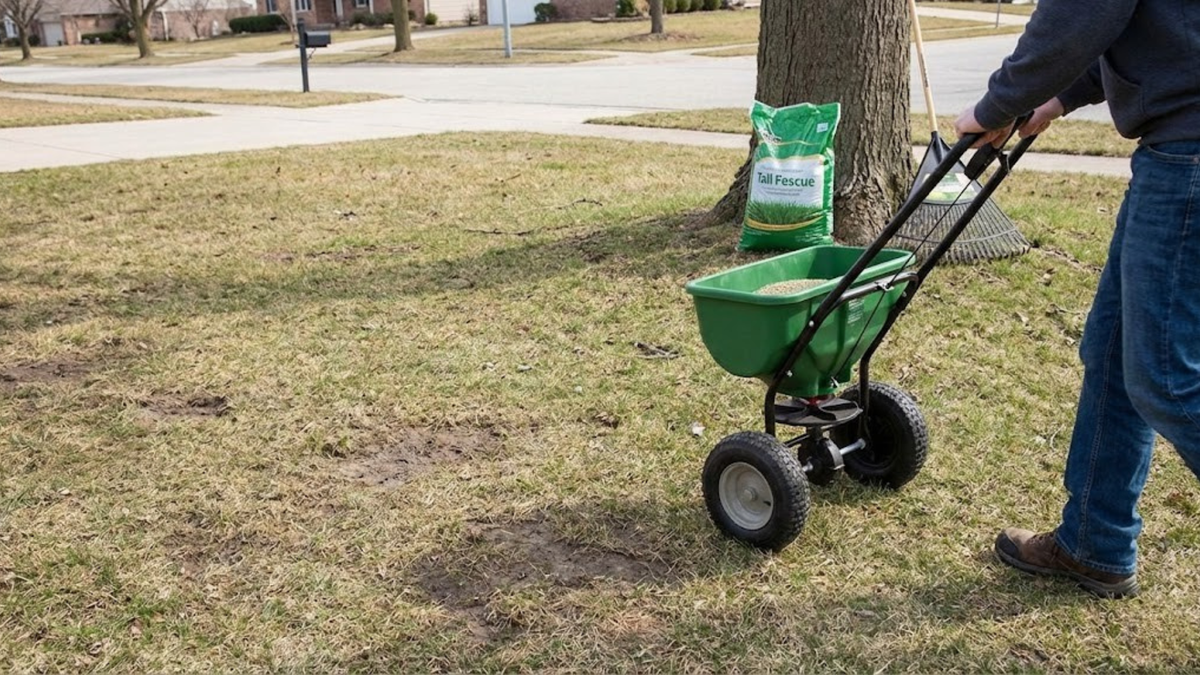
Winter weather takes a serious toll on Bergen County lawns, leaving behind bare patches, thin spots, and areas that just don't bounce back like they used to. Early spring presents the perfect window for overseeding these problem areas before the summer heat arrives.
Start by identifying the damaged zones in your lawn. Look for areas where foot traffic, ice, or salt damage has left the grass sparse or completely bare. These spots become prime real estate for weeds if you don't act fast.
Cool-season grasses work best in our climate zone, with tall fescue and perennial ryegrass being top performers for durability and recovery. Fine fescue works well in shady areas that struggle with traditional grass varieties.
Before throwing down seed, rake the damaged areas to remove dead grass and debris. Light scarification helps create good seed-to-soil contact, which dramatically improves germination rates.
Apply a starter fertilizer specifically designed for new grass - these contain higher phosphorus levels that promote root development.
Keep newly seeded areas consistently moist but not waterlogged. This usually means light, frequent watering sessions rather than deep soaking. Expect to see germination within 7-14 days, depending on soil temperature and conditions.
Apply Pre-Emergent Herbicide for Weed Prevention
Timing makes or breaks your weed prevention strategy in Bergen County. Pre-emergent herbicides work by creating a chemical barrier in the soil that stops weed seeds from germinating, but they're completely useless once weeds have already sprouted.
The magic temperature to remember is when soil temperatures consistently reach 50-55°F for several days. This typically happens in mid to late March in our area, but keep an eye on weather patterns since spring can be unpredictable. Crabgrass and other annual weeds start their germination process right around this temperature threshold.
Popular pre-emergent options include products containing prodiamine, pendimethalin, or dithiopyr. Each has slightly different application windows and effectiveness periods, so read labels carefully. Granular formulations tend to be easier for homeowners to apply evenly, while liquid versions offer more precise control.
Water the application in lightly after spreading - most products need about a quarter-inch of water to activate properly. Don't overseed and apply pre-emergent at the same time, since these products will prevent your grass seed from germinating too.
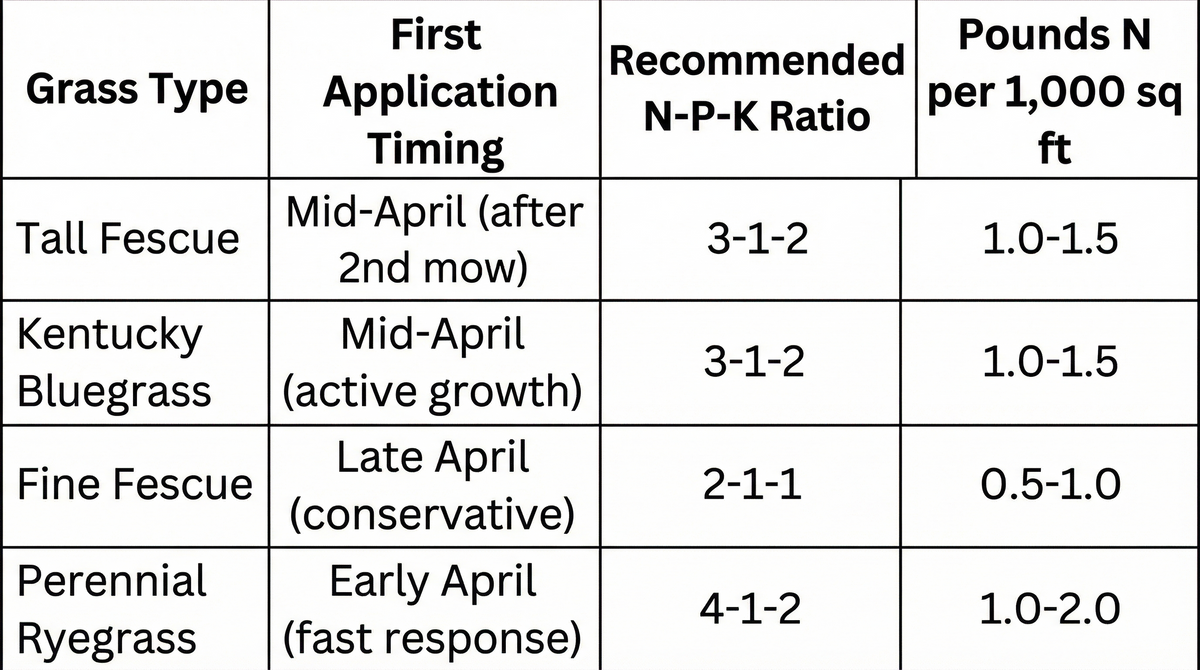
Schedule First Fertilizer Application Based on Grass Type
Your grass type dictates everything about fertilizer timing and formulation. Bergen County lawns typically feature cool-season varieties that have specific nutritional needs during spring awakening.
For tall fescue and Kentucky bluegrass lawns, plan your first feeding when grass starts actively growing, usually when you've mowed twice. This typically falls in mid-April, though warmer springs may push this earlier. These grass types benefit from a balanced fertilizer with equal parts nitrogen, phosphorus, and potassium.
Fine fescue requires a lighter touch - these grasses actually prefer lower fertility levels and can become susceptible to disease with heavy feeding. Use a slow-release formula with lower nitrogen content, around 0.5 pounds of nitrogen per 1,000 square feet.
Perennial ryegrass responds well to slightly higher nitrogen levels since it's a fast-growing variety that uses nutrients quickly. Look for formulations with a 3-1-2 or 4-1-2 ratio of nitrogen-phosphorus- potassium.
Soil temperature should be consistently above 50°F before applying any fertilizer. Cold soil means the grass roots aren't actively absorbing nutrients, so you're essentially wasting product and potentially creating runoff issues.
Pruning and Plant Maintenance for Healthy Growth
Trim Dead Branches from Trees and Shrubs
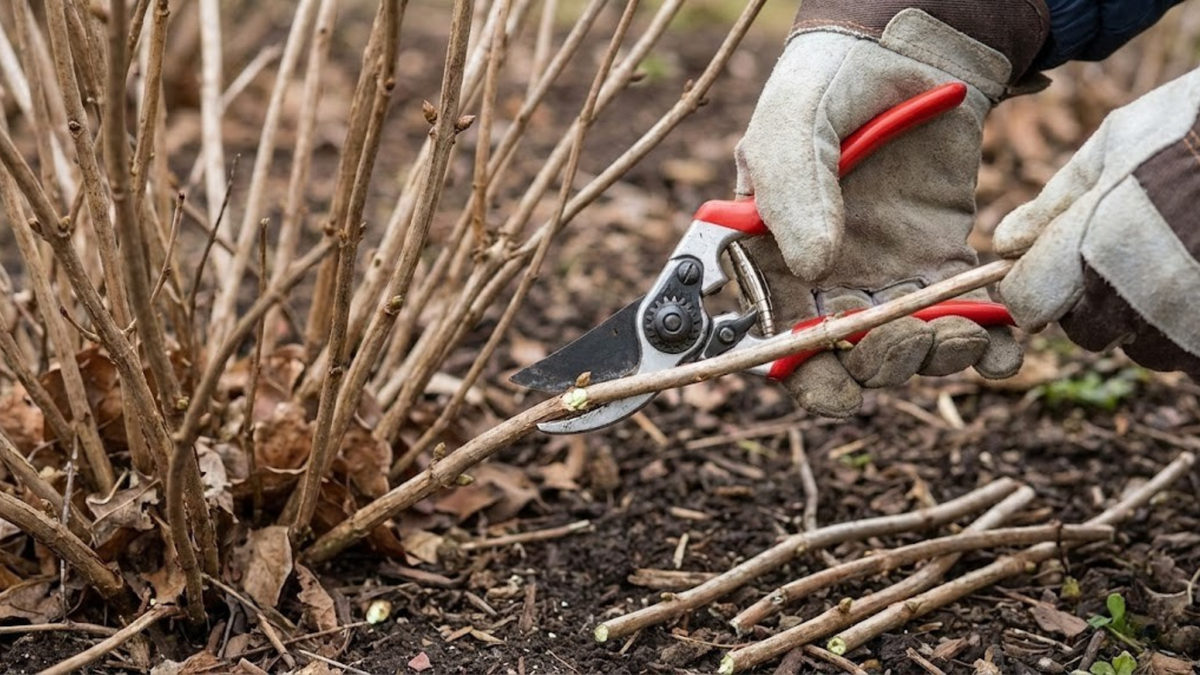
Winter weather takes a serious toll on Bergen County trees and shrubs. Dead, damaged, or diseased branches need immediate attention before spring growth kicks into high gear. Start by examining your trees from top to bottom, looking for branches that show no signs of budding, appear brittle, or have obvious damage from ice storms and heavy snow.
Use clean, sharp pruning tools to make proper cuts just outside the branch collar - that slightly swollen area where the branch meets the trunk. Avoid leaving stubs, which invite disease and pest problems. For branches larger than two inches in diameter, use the three-cut method to prevent bark stripping. Make an undercut first, then a top cut slightly further out, and finish with a clean cut at the collar.
Pay special attention to fruit trees, ornamental cherries, and flowering crabapples common in Bergen County landscapes. These trees benefit greatly from removing water sprouts and suckers that drain energy from fruit and flower production. While you're at it, open up the canopy by removing crossing branches to improve air circulation and reduce disease pressure during humid New Jersey summers.
Shape Ornamental Plants Before New Growth Begins
Timing is everything when shaping ornamental plants. Early spring, while plants remain dormant, offers the perfect window for structural pruning without shocking the plant or removing this year's flower buds. This dormant period allows you to see the plant's natural framework clearly and make strategic cuts that enhance its form.
Focus on spring-flowering shrubs like forsythia, lilac, and azaleas first, since these bloom on old wood. Once they leaf out, you'll lose your chance for major shaping until next year. Summer-flowering plants like butterfly bush, rose of Sharon, and hydrangeas can handle more aggressive pruning since they bloom on new growth.
When shaping, step back frequently to assess your progress. Remove about one-third of the oldest canes on mature shrubs to encourage fresh, vigorous growth. For evergreen shrubs like boxwood and yew, light shaping maintains their formal appearance while promoting dense, healthy growth. Hand pruners work best for precision cuts, while hedge shears handle larger areas of fine-textured plants.
Cut Back Perennials and Ornamental Grasses
Bergen County gardeners often debate whether to cut perennials back in fall or spring. Spring cleanup definitely wins for plant health and garden ecosystem benefits. Those dried stems and seed heads provided winter shelter for beneficial insects and added structure to snow-covered beds.
Cut most perennials down to 2-3 inches above ground level, making clean cuts just above emerging basal growth. Look carefully before cutting - some perennials like coral bells and bergenia maintain attractive foliage year-round and only need deadheading of old flower stalks. Others, like black-eyed Susan and purple coneflower, should be cut completely back to make room for fresh growth.
Ornamental grasses require special attention based on their type. Cool-season grasses like feather reed grass and little bluestem can be cut back anytime before new growth appears. Warm-season grasses like fountain grass and maiden grass benefit from cutting back in mid to late March. Bundle the grass and cut it 4-6 inches from the ground using hedge shears or even a chainsaw for large clumps.
Remove Winter Protection from Sensitive Plants
Bergen County's unpredictable spring weather makes timing tricky for removing winter protection. Check long-range forecasts and remove coverings gradually rather than all at once. Burlap wraps around evergreens can come off once daytime temperatures consistently reach the mid-40s, but keep the material handy for unexpected late freezes.
Tree wraps protecting bark from sun scald and frost cracks should be removed to prevent moisture buildup and pest hiding spots. Check the bark underneath for any signs of damage or pest activity before storing the wrap for next winter. Young fruit trees and recently planted specimens need the most carefulattention during this transition period.
Rose cones and mulch mounds around tender roses can be gradually reduced as soil temperatures warm. Pull back some mulch to check for green growth at the base, then remove protection completely once new shoots emerge. Tender bulbs and perennials covered with extra mulch or leaf mold can be uncovered as soon as you see green tips pushing through the soil surface.
Irrigation System Startup and Water Management
Inspect and Test Sprinkler System Components
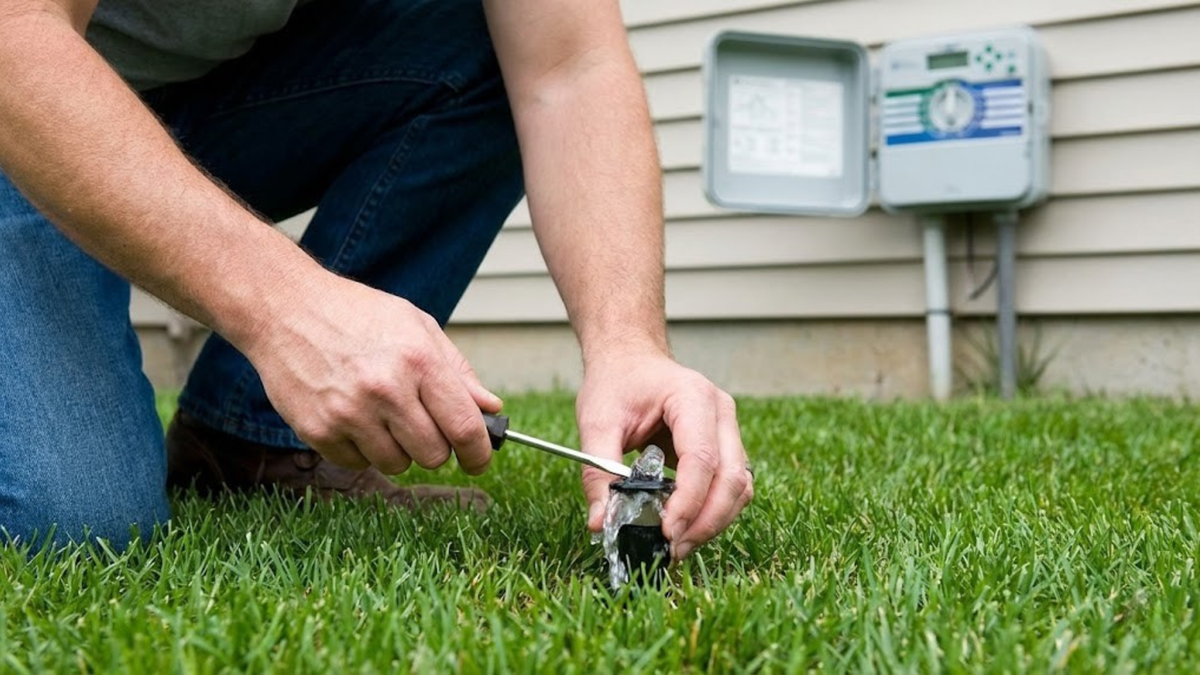
Start by checking your main water supply valve and turning it on gradually to avoid pressure shock. Walk through your entire irrigation system methodically, looking for obvious signs of winter damage like cracked pipes, broken valves, or displaced sprinkler heads. Turn on each zone individually and let it run for several minutes while you observe the coverage patterns and water pressure.
Check all control valves for proper operation - they should open and close smoothly without sticking or leaking. Examine electrical connections at your timer box and valve boxes, looking for corrosion, loose wires, or damage from rodents. Test your rain sensor and soil moisture sensors if you have them installed, as these often malfunction after winter weather exposure.
Pay attention to water pressure consistency across zones. Low pressure could indicate blockages or leaks somewhere in the system. High pressure might suggest a damaged pressure regulator that needs adjustment or replacement.
Replace Damaged Sprinkler Heads and Lines
Sprinkler heads take a beating during Bergen County winters, especially from snow plows and freeze- thaw cycles. Look for heads that are cracked, tilted, or completely broken off. Pop-up heads that don't fully retract or extend indicate internal damage that requires replacement.
Underground lines often suffer from frost heave and ground shifting. Mark any areas where you notice soggy ground, unusual plant growth patterns, or obvious water pooling - these typically signal underground leaks. Professional leak detection might be necessary for lines buried deeper than standard depths.
When replacing components, upgrade to more durable materials where possible. Consider installing flexible swing joints on sprinkler heads in high-traffic areas or locations prone to ground movement. This small investment prevents frequent head replacements and maintains consistent coverage.
Program Watering Schedules for Spring Needs
Spring watering requirements differ significantly from summer needs due to cooler temperatures, increased rainfall, and slower plant growth rates. Start with shorter watering cycles - typically 50-70% of your summer duration settings. Cool-season grasses need about 1 inch of water weekly, including rainfall, while newly planted areas may require more frequent, lighter applications.
Set your system to water during early morning hours, ideally between 4 AM and 8 AM. This timing reduces evaporation losses and allows plants to dry before evening, preventing disease issues. Avoid watering during windy conditions or when temperatures drop below 40°F.
Adjust your schedule based on recent rainfall patterns. Bergen County typically receives adequate spring precipitation, so monitor weather forecasts and consider installing a rain sensor to automatically skip cycles when nature provides sufficient moisture.
Check Drainage Systems and Clear Blockages
Poor drainage can destroy your spring landscaping efforts faster than almost any other factor. Inspect all catch basins, French drains, and surface drainage channels for debris accumulation from fall leaves, winter sand, and organic matter buildup.
Clean out gutters and downspouts connected to your landscape drainage system. Blocked downspouts often cause water to pool around foundations and flood planted areas. Test drainage flow by running water through the system and watching for slow drainage or backup issues.
Look for areas where water stands for more than 24 hours after rain or irrigation. These spots may need additional drainage solutions or soil amendments to improve water infiltration. Consider installing drain tile or creating swales to redirect water away from problem areas before the heavy spring rains arrive.
Garden Bed Refresh and Planting Preparation
Edge and Define Garden Borders
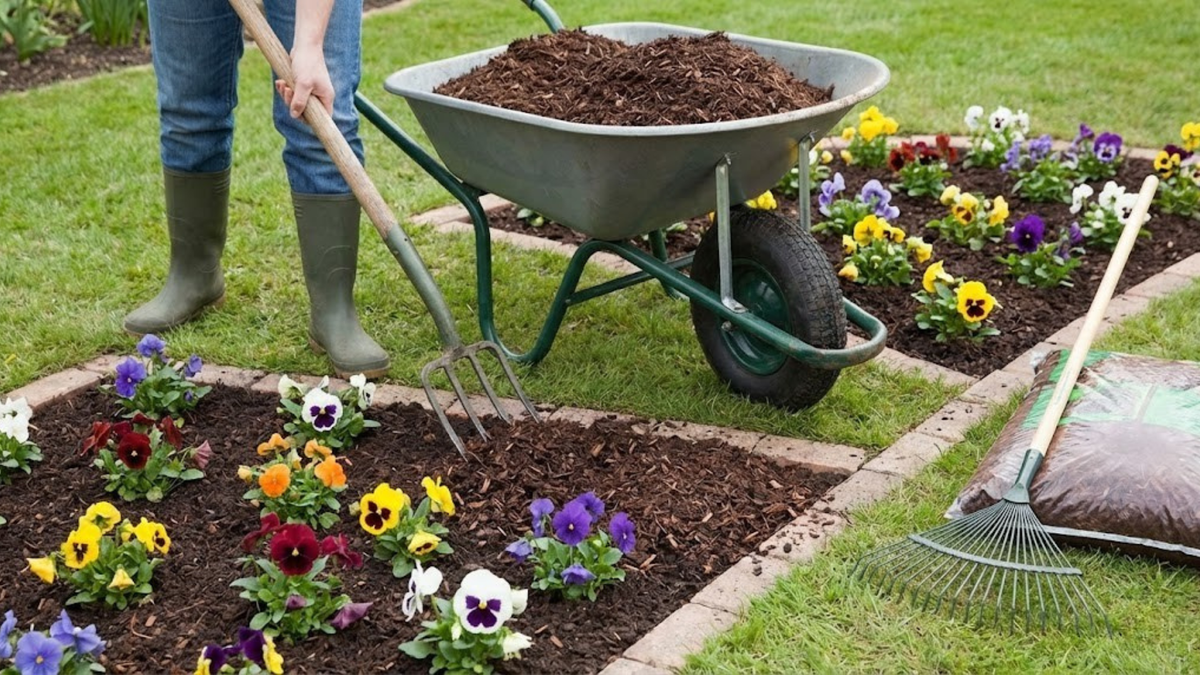
Sharp, well-defined edges transform your garden beds from messy to magnificent. Start by cutting clean lines along existing borders using a half-moon edger or sharp spade. Remove grass and weeds that have crept into your beds over winter, creating a distinct separation between lawn and planted areas.
For Bergen County's clay-heavy soils, consider installing permanent edging materials like aluminum strips, stone, or brick. These materials prevent grass from spreading back into beds and make future maintenance easier. When installing edging, dig a shallow trench and ensure materials sit slightly above ground level to catch mulch and prevent spillover.
Curved borders create more visual interest than straight lines and work better with Bergen County's rolling terrain. Use a garden hose to lay out new curves before cutting, and remember that gentle, flowing lines look more natural than sharp angles.
Apply Fresh Mulch for Moisture Retention
Bergen County's variable spring weather makes mulching essential for consistent soil moisture. Apply 2-3 inches of organic mulch like shredded hardwood, pine bark, or composted leaves. Fresh mulch suppresses weeds, regulates soil temperature, and slowly breaks down to improve soil structure.
Before mulching, remove old, matted material that blocks water and air circulation. Pull mulch away from plant stems and tree trunks to prevent pest problems and rot. Different mulch types work better for specific areas:
Shredded hardwood: Great for perennial beds and shrub areas
Pine bark nuggets: Perfect for slopes where erosion is a concern
Composted leaves: Excellent for vegetable gardens and annual beds
Stone mulch: Ideal for Mediterranean plants and modern landscapes
Apply mulch when soil is moist but not waterlogged, typically after the last frost when soil temperatures stabilize.
Plan New Plant Installations for Seasonal Color
Bergen County's USDA Zone 6b-7a climate offers excellent opportunities for diverse plantings. Start by assessing your current color scheme and identifying gaps in seasonal interest. Spring installations should focus on plants that establish quickly before summer heat arrives.
Create a planting calendar that considers bloom times, mature sizes, and maintenance requirements. Early spring is perfect for cool-season annuals like pansies, snapdragons, and sweet alyssum. Wait until after the last frost (typically mid-April) for warm-season plants like impatiens, begonias, and marigolds.
Consider these Bergen County favorites for reliable performance:
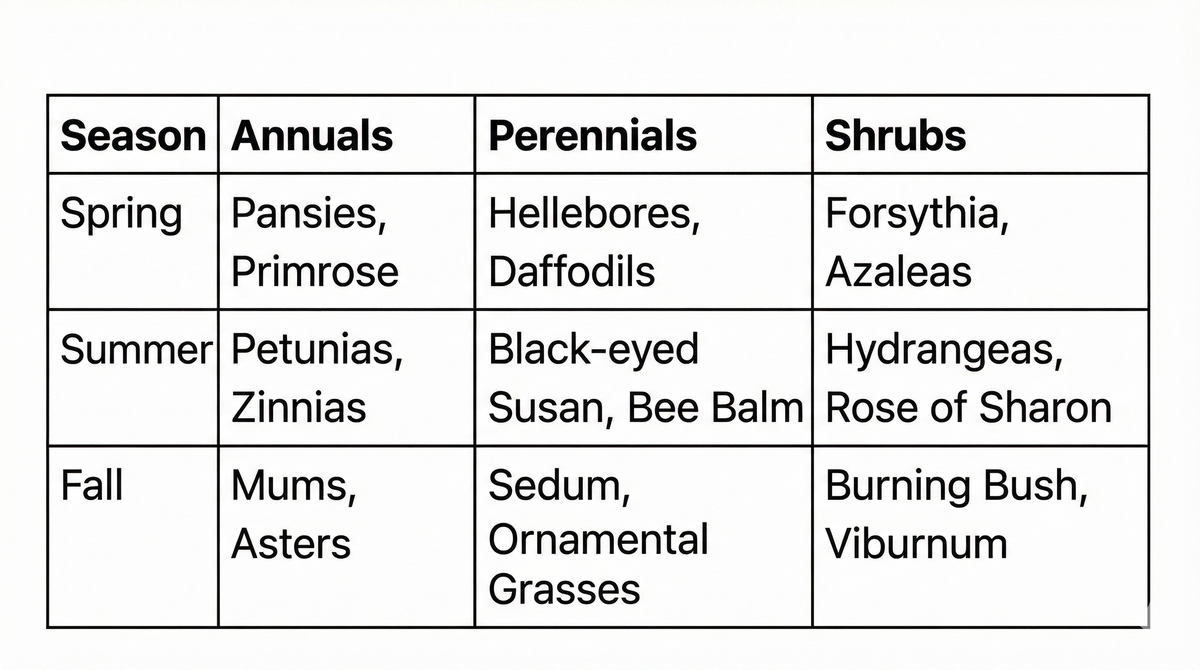
Plan for succession planting in containers and annual beds to maintain continuous color throughout the
growing season.
Prepare Vegetable Garden Areas for Spring Planting
Bergen County's last frost typically occurs between April 10-20, making mid-to-late April ideal for cool- season vegetable planting. Start preparation by removing winter debris and any remaining plant material from last season.
Test soil pH using a digital meter or soil test kit. Most vegetables prefer slightly acidic to neutral soil (pH 6.0-7.0). Bergen County's naturally acidic soils often need lime amendments added several weeks before planting to allow time for pH adjustment.
Work compost or aged manure into vegetable beds to improve drainage and add nutrients. Heavy clay soils benefit from coarse sand or perlite mixed in to prevent waterlogging. Create raised rows or beds if your soil stays soggy after spring rains.
Plan your vegetable layout considering plant spacing, sun requirements, and harvest timing. Cool- season crops like lettuce, spinach, and peas can go in first, followed by warm-season plants like tomatoes and peppers after mid-May. Install support structures for climbing plants like beans and cucumbers before planting to avoid disturbing roots later.
Cover prepared beds with row covers or black plastic to warm soil and suppress weeds until plantingtime arrives.
Getting your property ready for spring doesn't have to feel overwhelming when you break it down into manageable steps. From checking for winter damage to refreshing your garden beds, each task builds toward creating a thriving outdoor space that can handle our local climate. Taking care of your soil, reviving your lawn, and getting your irrigation system running smoothly sets the foundation for everything else to flourish.
The key to successful spring landscaping lies in being proactive rather than reactive. Start early, tackle one section at a time, and don't hesitate to call in professional landscaping contractors for the bigger jobs or specialized equipment needs. Your yard will thank you with lush growth, vibrant colors, and curb appeal that lasts all season long.